
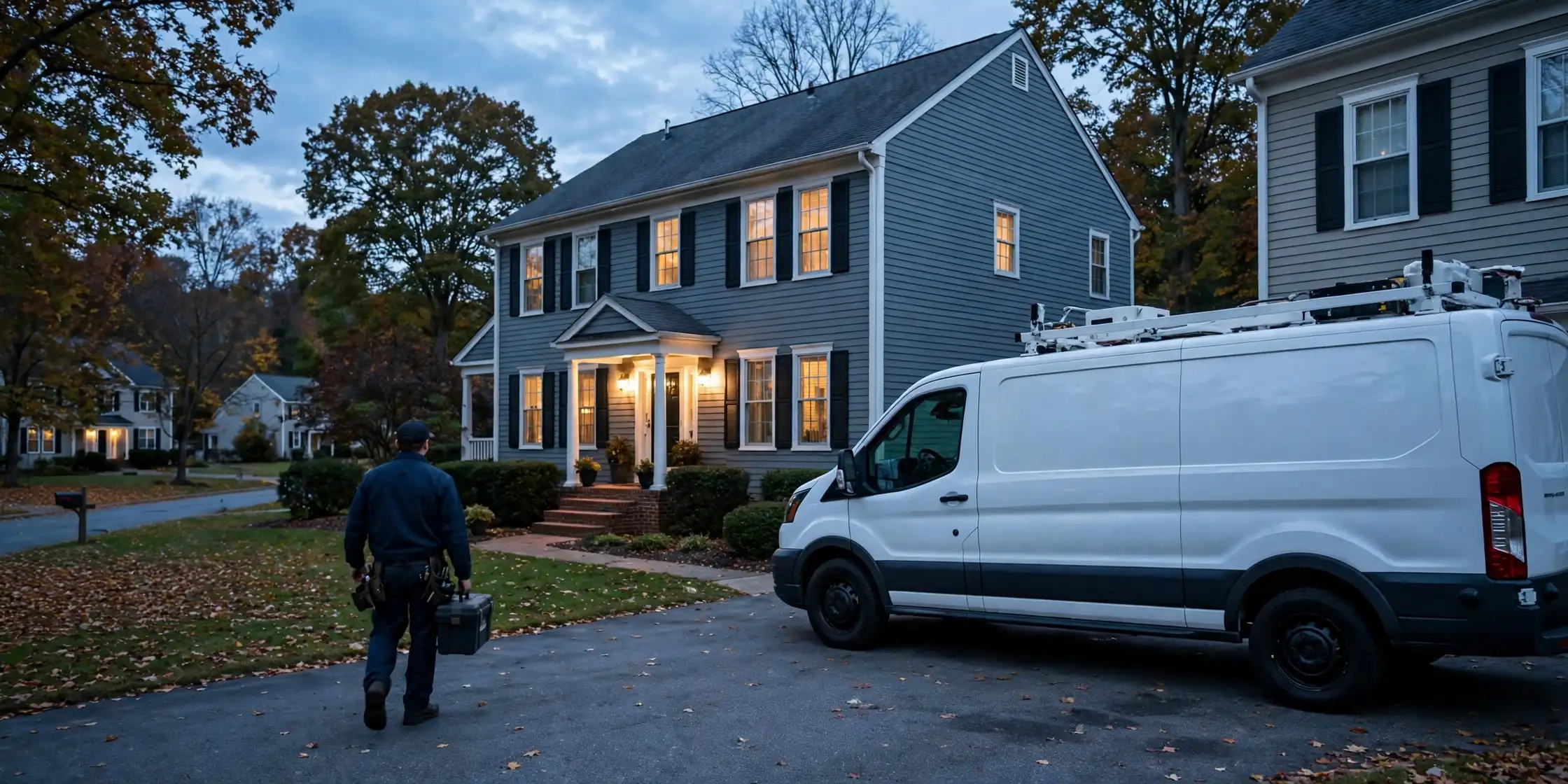
Emergency HVAC Repair in Lubbock, TX
No heat, no cooling, a gas smell, or a tripping breaker. Call now and the triage says what can wait.
- ✓Safety first, then the call
- ✓Call direct, no forms to fill
- ✓Serving Lubbock, Wolfforth & Slaton
SAFETY FIRST
Smell gas, burning, or an alarm sounding? Leave first, then call
Read this first. Safety comes before the call, and the call comes before the explanation.
What this page adds: the triage that decides whether it can wait until morning, the gas-smell step first, and what happens on the visit, with the after-hours question answered honestly.
- Gas smell: leave the house at once. Do not flip switches, do not light anything, and do not use a phone inside the house. From outside, call Atmos Energy on 866-322-8667 and call emergency services. Do not go back inside until you are told it is safe.
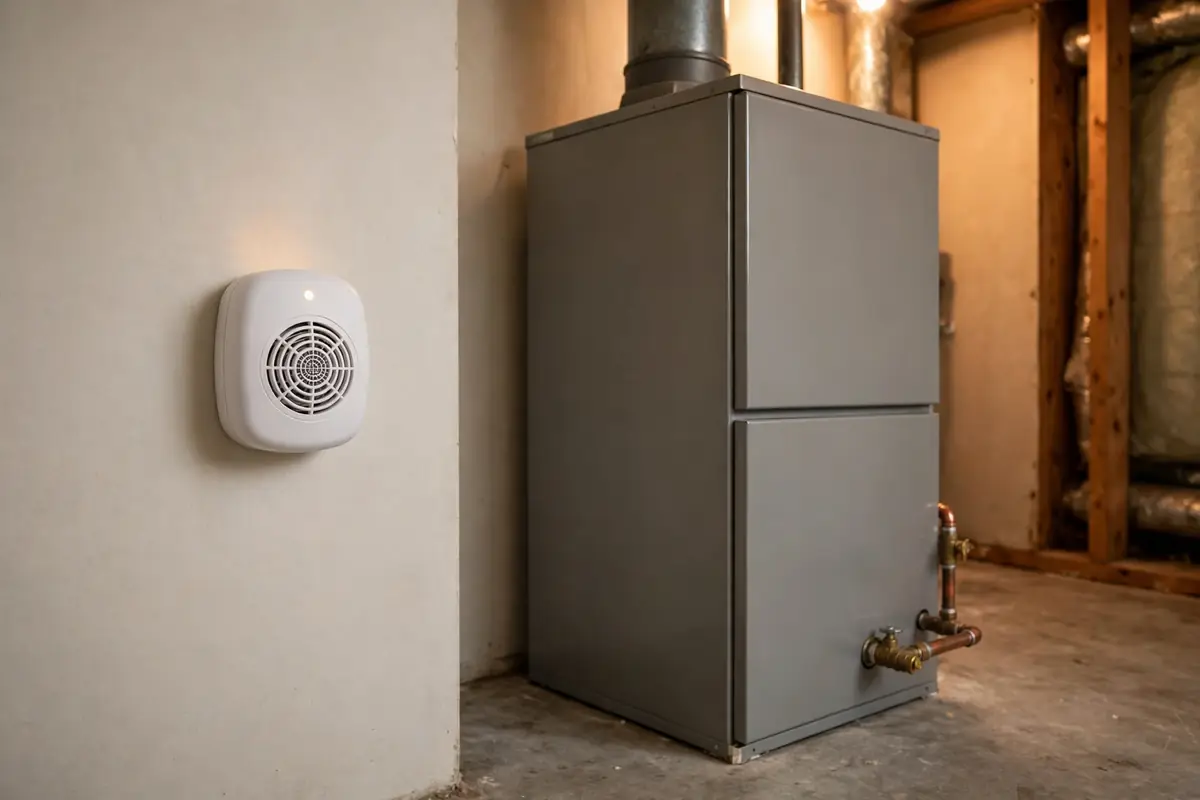
- Carbon monoxide alarm sounding: leave the house at once and call emergency services from outside. A cracked heat exchanger or a blocked flue can let carbon monoxide into the house, and you cannot smell it. Our furnace repair in Lubbock page covers the gas safety steps in full.
- Burning smell, sparking, or smoke: turn the system off at the thermostat, and turn the breaker off if it is safe to reach. Do not open the unit, do not touch wiring, and do not keep running a system that smells like burning.
- Water leaking from the air handler: turn the system off, keep clear of standing water near electrics, and call. Lubbock water comes mostly from the Ogallala Aquifer, and its mineral load can partly block a condensate drain, so a leak can start small and grow.
Once you are safe, call (806) 240-9865. The safety steps above come before anything else.
EMERGENCY OR NOT
Is this an emergency, or can it wait until morning?
Not every breakdown is an emergency, and the triage below says which is which. The rule is simple: if safety is at stake, or a vulnerable person is at risk, it is an emergency. If the system still heats or cools, with no smell, no alarm, and no water, it can usually wait until morning.
- Emergency: gas smell. Leave first, then call. Never a wait-until-morning problem.
- Emergency: carbon monoxide alarm sounding. Leave first, then call emergency services.
- Emergency: no heat on a freezing night. Lubbock has about 61 freezing nights a year. No heat on a night like that, with an infant, an elderly person, or someone ill at home, is an emergency.
- Emergency: no cooling in extreme heat with a vulnerable person at home. About 91 days a year reach 90°F or higher. No cooling in that heat, with a vulnerable person at home, is an emergency.
- Call now: water leaking, burning smell, breaker tripping again. These need a visit soon, and the checks below tell you what to do while you wait.
- Can wait until morning: system still heating or cooling, strange noise, thermostat misreading. Uncomfortable, but not dangerous. Call to book the visit, and use the checks below tonight.
When in doubt, call. Emergency HVAC repair in Lubbock, TX starts with that triage call, and a short call that ends with "it can wait until morning" beats a night spent guessing.
NIGHT CALLS
Who answers when you call at night in Lubbock?
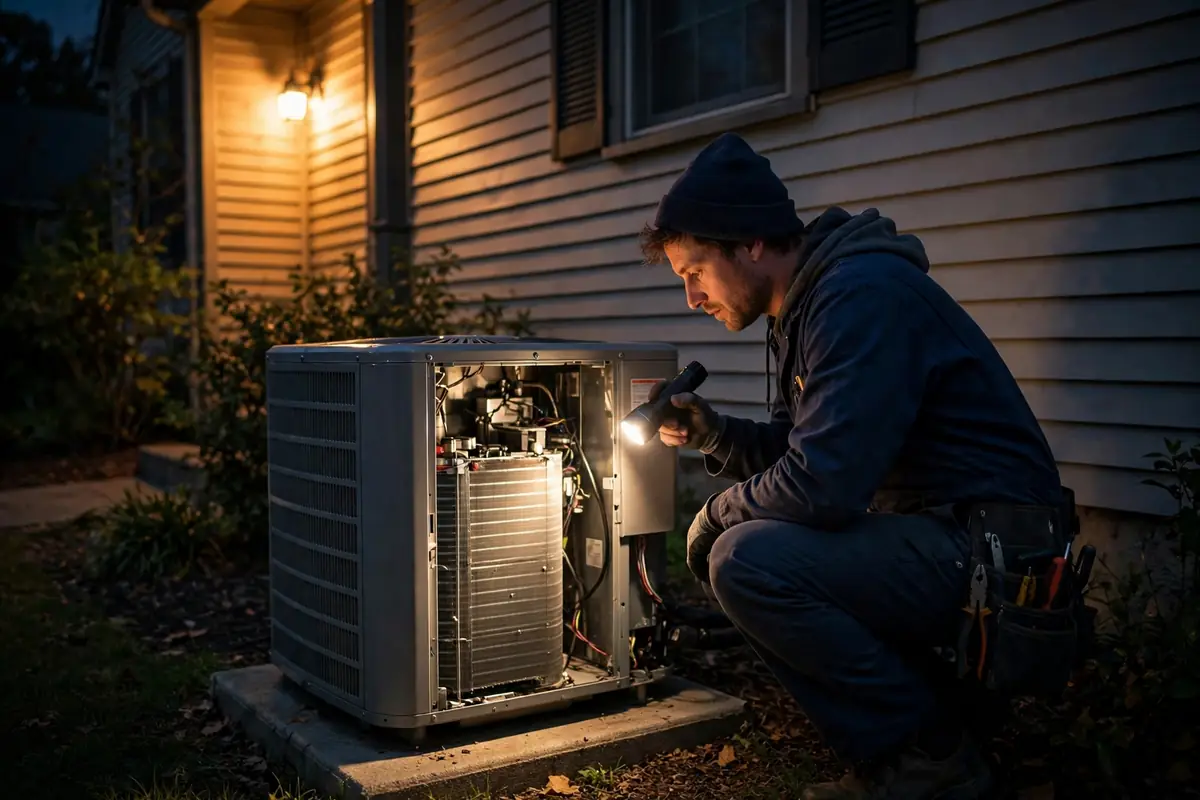
When you call at night, describe the problem first: what stopped, what you smell, hear, and see, and who is in the house. The triage on the call decides what happens next, and the safety steps at the top of this page come before anything else. We make no promise here about who answers the phone at night, or about how fast a visit follows. What the call gives you is a straight answer: emergency or wait until morning.
- Say what happened first: no heat, no cooling, a smell, a sound, or water, and when it started.
- Say who is at home: an infant, an elderly person, or someone ill changes the triage.
- Say what you checked: thermostat, breaker, filter, and the outdoor unit, so the same checks are not repeated.

WHILE YOU WAIT
What should I do while I wait?
These are safe checks only, with clear stop points. Do not open the unit, do not touch wiring, and do not work on refrigerant. Refrigerant work is technician-only.
- Thermostat: check the setting and the batteries, and set the fan to AUTO. Our thermostat installation in Lubbock page covers the C-wire and blank-screen checks.
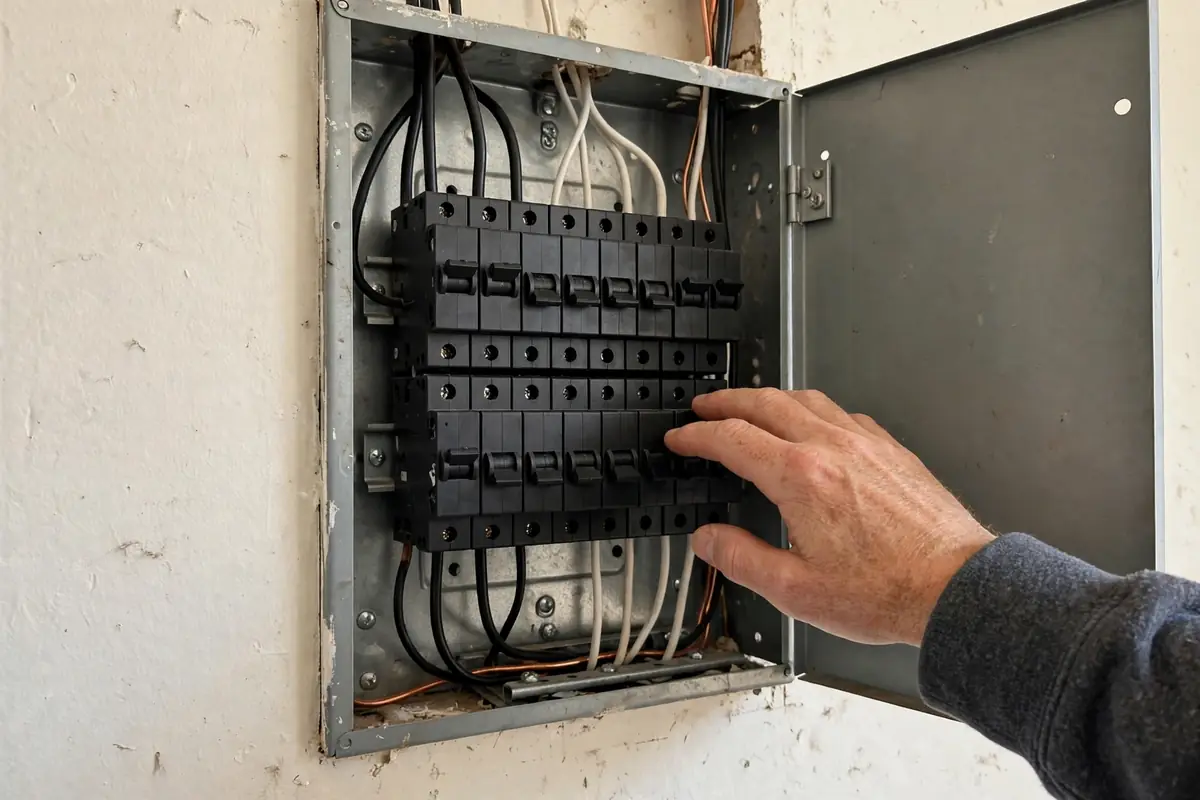
- Breaker: if it has tripped, reset it once only. If it trips again, stop and leave it off.
- Filter: a grey, loaded filter chokes airflow. If you have a spare, change it. In dust season, a filter can load in a single storm.
- Outdoor unit: look, do not touch. After a dust storm, check for dust caked on the coil. After hail, check for bent fins and damage. Hail of 1 inch or more has been reported 276 times in Lubbock County since 1950, so a post-hail look is worth it.
- Frozen coil: if there is ice on the lines or the coil, turn cooling off and run the fan only to thaw it. Never chip ice off a coil.
- Keep people safe: in extreme heat, move vulnerable people to the coolest room and close the blinds. In freezing cold, keep them warm.
Lubbock County has recorded 99 tornadoes since 1950, including an F5 on May 11, 1970, and the largest hail here reached 4.50 inches on June 23, 2023. The February 2021 ice storm brought a federal disaster declaration (DR-4586). Tornadoes are not a routine HVAC risk; dust storms and hail are the routine local hazards, so the post-storm check is the coil, the fins, and the breaker.
What not to do: do not keep resetting a tripping breaker, do not pour water on a running outdoor unit, and do not run a system that smells like burning.
THE VISIT
What happens on an emergency visit?
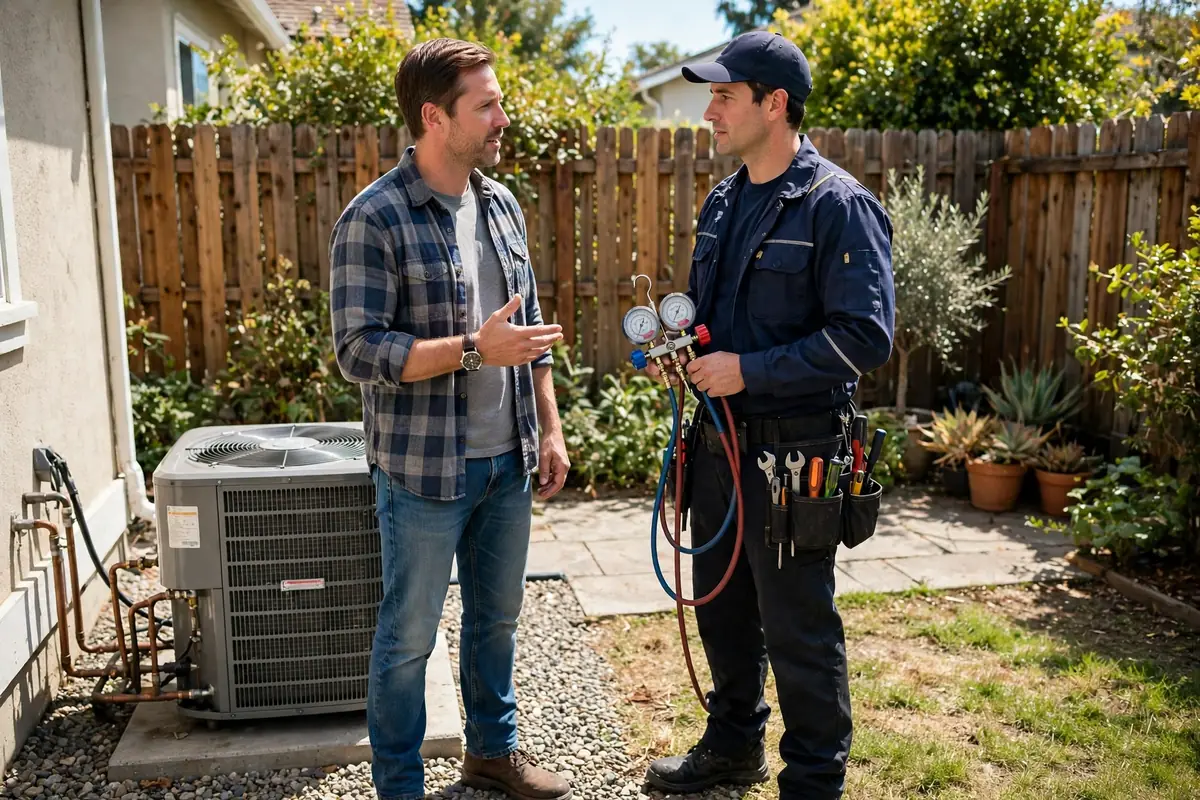
The visit follows the same order every time: triage first, then diagnosis, then the written price, then your approval, then testing.
You call
Describe the problem, what you checked, and who is at home. The triage on the call says emergency or wait until morning.
Safety first
On arrival, the technician checks the safety items first: gas, carbon monoxide, electrics, and water. Nothing else starts until those are clear.
Diagnosis and explanation
The technician finds the fault, a failed capacitor, a tripped safety switch, a blocked drain, a dead igniter, and explains it in plain words before any work starts.
Written price before work
You get the price in writing before work starts. The price follows the fault, not the clock, and no fee figure is promised on this page.
Your approval, then testing
Work starts only with your approval. After the fix, the system is tested, heating and cooling both, before the technician leaves.
The local team works across Lubbock, Wolfforth, and Slaton. Nothing here is a booking promise or a time guarantee. The technician confirms timing on the call.
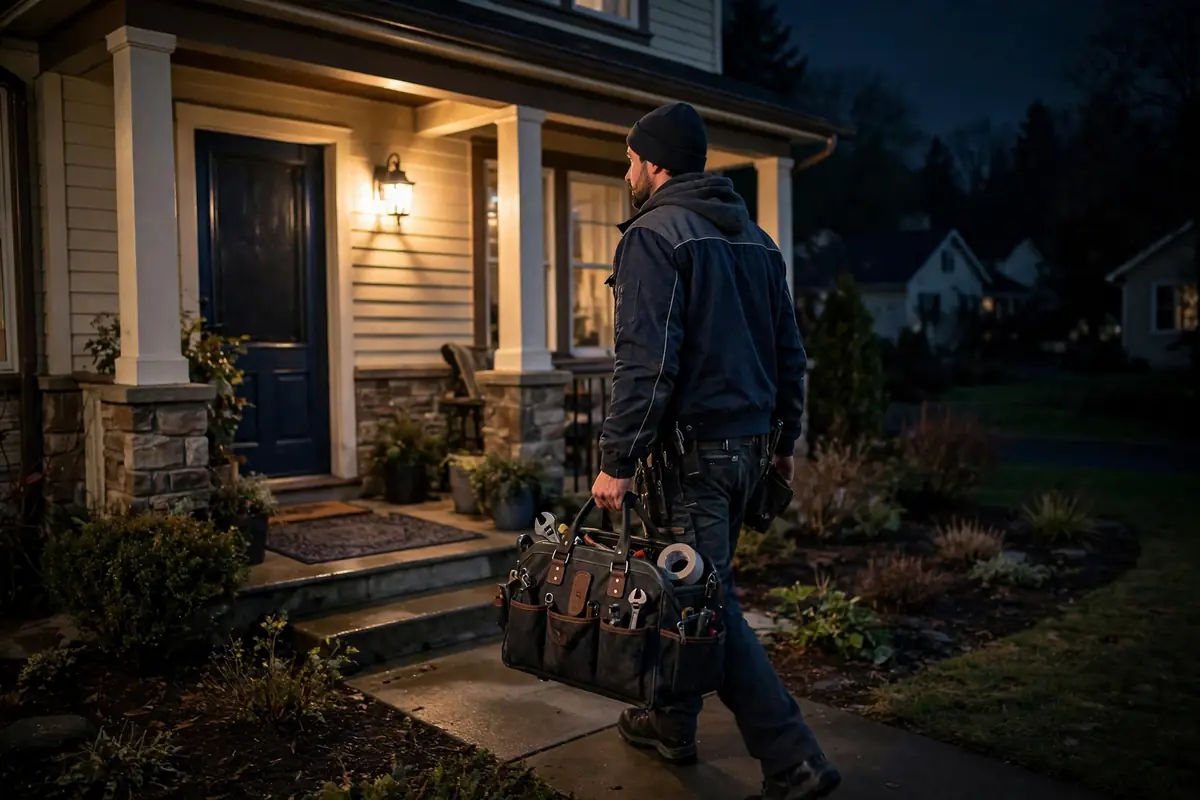
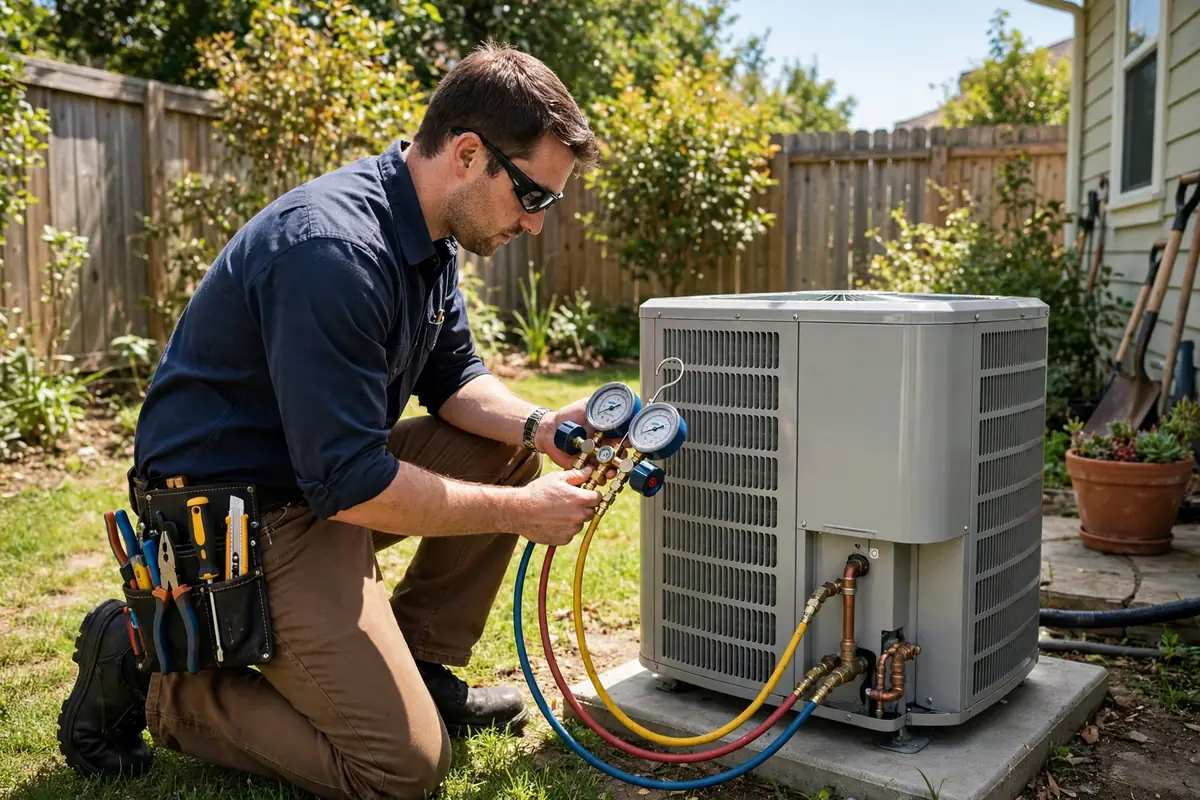
Before and after: emergency HVAC repair in Lubbock
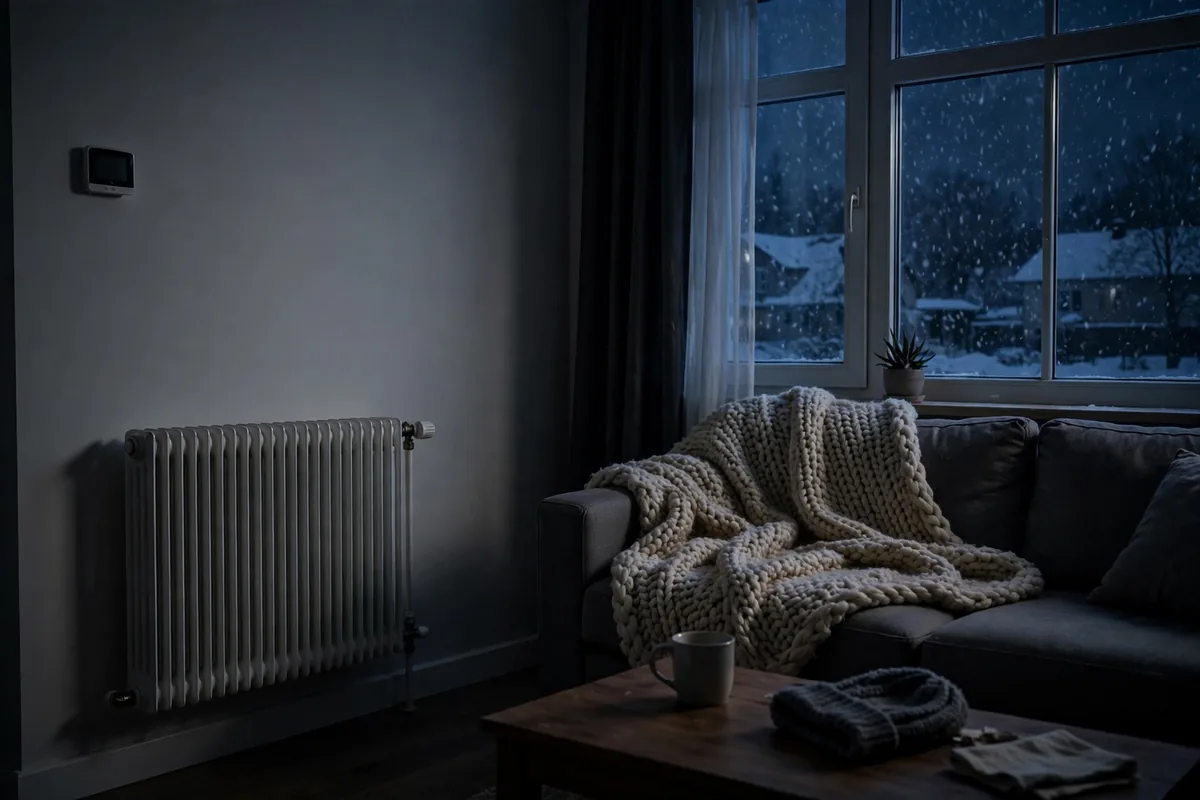
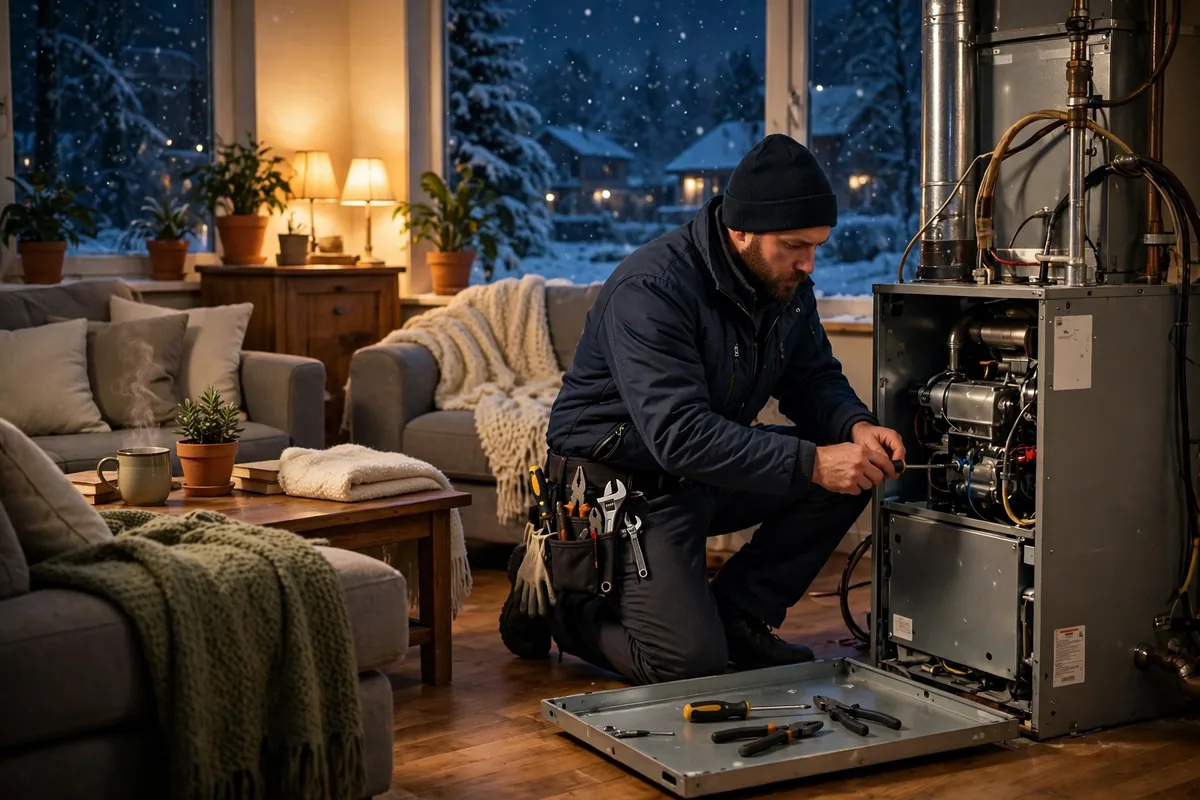 BeforeAfter
Before and after photos are illustrative examples only, not a Tech Terrace HVAC job in Lubbock.
Before and after: night call, unit fixed
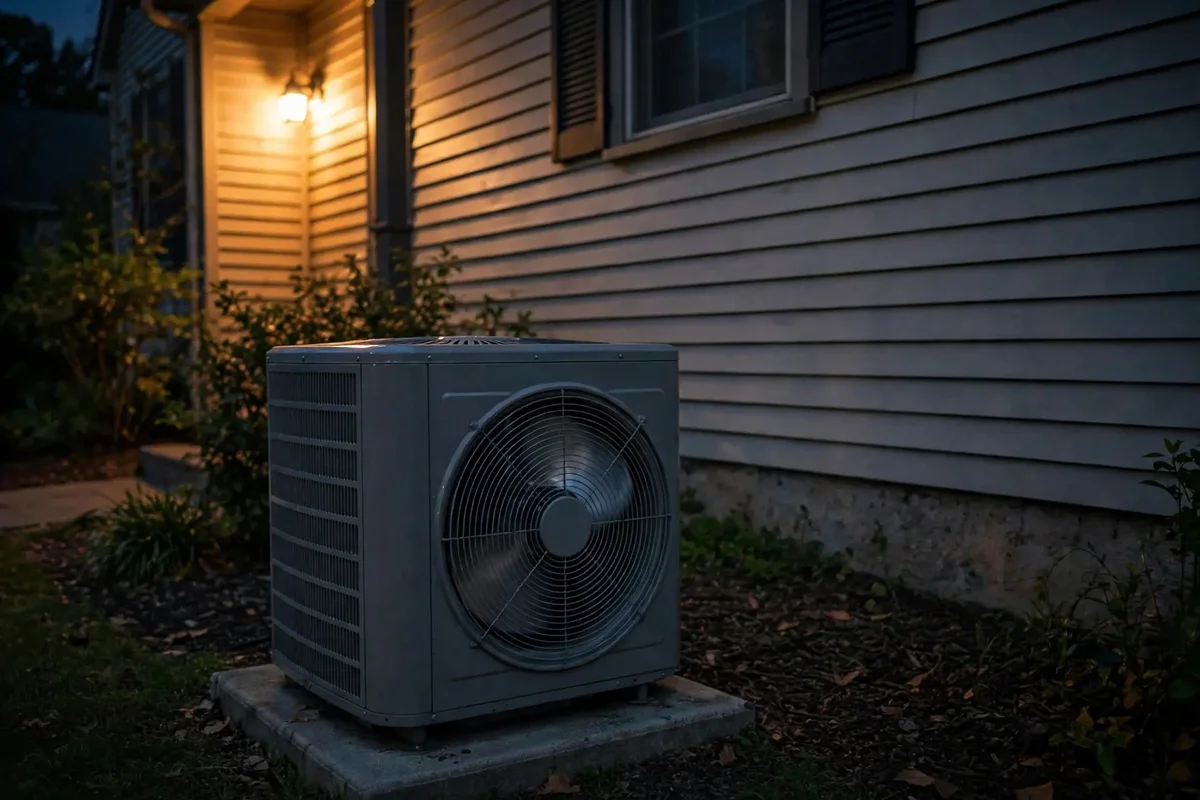 BeforeAfter
Before and after photos are illustrative examples only, not a Tech Terrace HVAC job in Lubbock.
AFTER THE VISIT
After the emergency: what do you fix next?
An emergency fix stops the problem. It does not always fix the cause behind it, and the visit report says what that cause is. The common follow-ups are small, and they are worth doing before the next extreme day.
- Filter and coil: a dust-loaded filter or a dust-fouled coil caused the failure more often than a part did. Both get checked on the follow-up.
- Drain and pan: a partly blocked condensate drain leaks again if it is not cleared, and mineral buildup from hard water is the usual cause here.
- Maintenance: the HVAC maintenance plan in Lubbock checks the full 21-point audit in spring and fall, so the next failure gets caught before the season turns.
COST
Does an emergency visit cost more?
It depends on the fault, not the clock. No fee figure is promised here, because the price follows what failed, how hard it is to reach, and how old the equipment is. These are the factors that move the price.
- The part that failed: a capacitor, a contactor, and an igniter are different jobs, and a compressor is a different job again.
- Access: an outdoor unit on open ground is one job; an air handler in a tight attic is another.
- Age of the equipment: an older system may need a part that takes longer to find, and a system that has failed twice may be a repair-or-replace decision instead. Our guide to repair or replace walks through that choice.
You get the price in writing before work starts, after the diagnosis, on every visit. That rule does not change because the visit is urgent.
No heat, no cooling, or a smell: what should you tell us on the call?
Tell us what stopped, when it started, what you checked, and who is at home. If you smell gas or an alarm is sounding, leave first and call from outside.
QUESTIONS
What do Lubbock homeowners ask about emergency HVAC: what counts and what to do first?
It is an emergency when safety is at stake or a vulnerable person is at risk: a gas smell, a carbon monoxide alarm, a burning smell, no heat on a freezing night, or no cooling in extreme heat with an infant, an elderly person, or someone ill at home. A system that heats or cools can usually wait until morning.
A gas smell, a carbon monoxide alarm sounding, a burning smell or sparking, water leaking from the air handler, no heat on a freezing night, and no cooling in extreme heat with a vulnerable person at home. A tripping breaker and a strange noise with the system still running are urgent, but not all are emergencies.
Leave the house at once. Do not flip switches, do not light anything, and do not use a phone inside the house. From outside, call Atmos Energy on 866-322-8667 and call emergency services. Do not go back inside until you are told it is safe. A gas smell is always an emergency, never a wait-until-morning problem.
Check the thermostat setting and batteries, then the breaker, resetting it once only if it has tripped. Check the filter, and look at the outdoor unit for dust, hail damage, or ice. Set the fan to AUTO. If the breaker trips again, if there is ice, or if you smell burning, stop checking and call.
It depends on the part that failed, the access to the system, the age of the equipment, and what the visit finds. No fee figure is promised here, because the price follows the fault, not the clock. You get the price in writing before work starts, after the diagnosis, on every visit.
TECH TERRACE HVAC · CALL NOW
Can it wait until morning, or is it an emergency now?
No Heat, No Cooling, or a Smell You Can't Place? Call Now
Safety first, then the call. Emergency HVAC repair in Lubbock, TX starts with safety and triage. If you smell gas or an alarm is sounding, leave first and call from outside.
After the Emergency: What to Fix Next
If the fix was bigger than a part, start with our page about AC installation in Lubbock, sizing, SEER2, and what a good quote includes.
A heat pump that keeps freezing up? Heat pump repair in Lubbock covers defrost, the reversing valve, and aux heat in plain words.
- A finished emergency job is on our projects page, before and after.
- The same visit process and written-price rule apply in Wolfforth homes and Slaton homes for emergency work too.
Find us
Emergency HVAC repair in Lubbock: our Wolfforth base
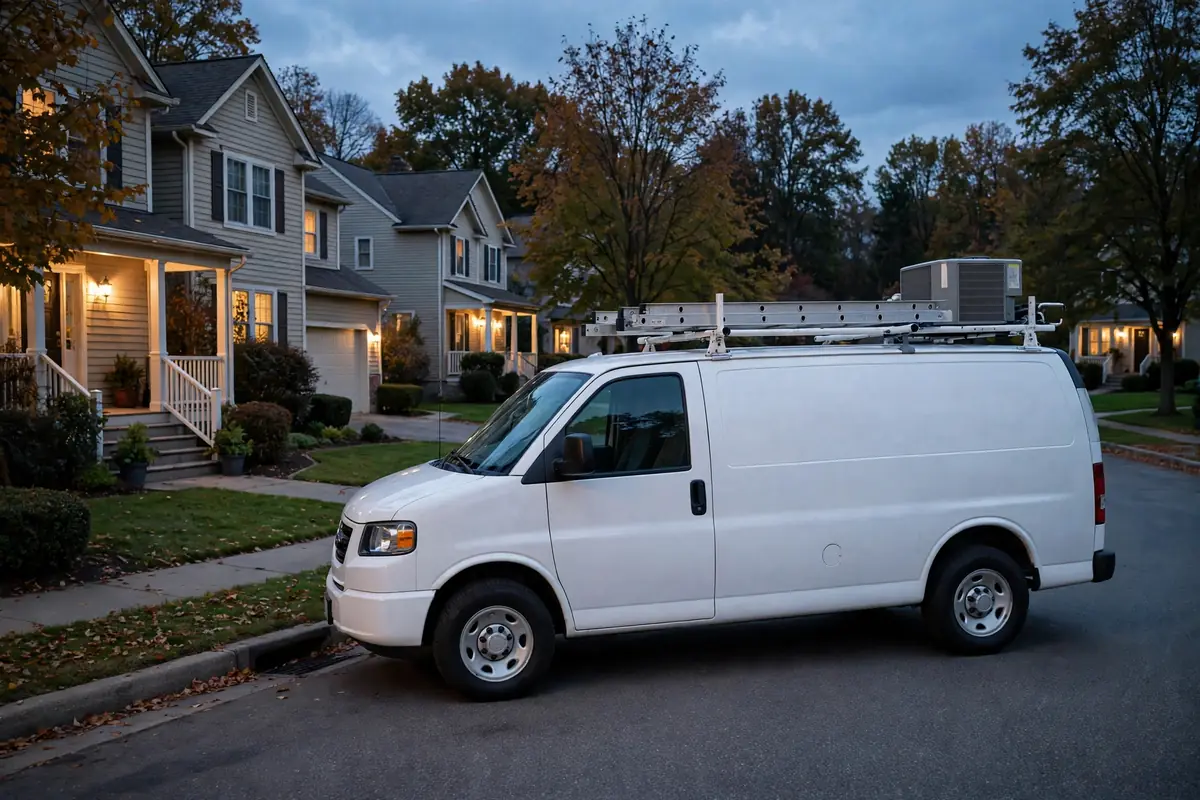
Our base is at 1203 Donald Preston Drive in Wolfforth, just southwest of Lubbock. Call (806) 240-9865, describe the problem, and the technician comes to you. The safety steps at the top of this page come before anything else.
- Areas served: Lubbock, Wolfforth, and Slaton, with the same visit process across all three. See our service areas for the full list.
- What to have ready: what stopped, when it started, what you checked, and who is at home.
- How the visit works: the technician comes to your home. This address is the base the visit starts from.
Tech Terrace HVAC 1203 Donald Preston Drive, Wolfforth, Texas 79382, USA (806) 240-9865